

Books by Deirdre Kelly
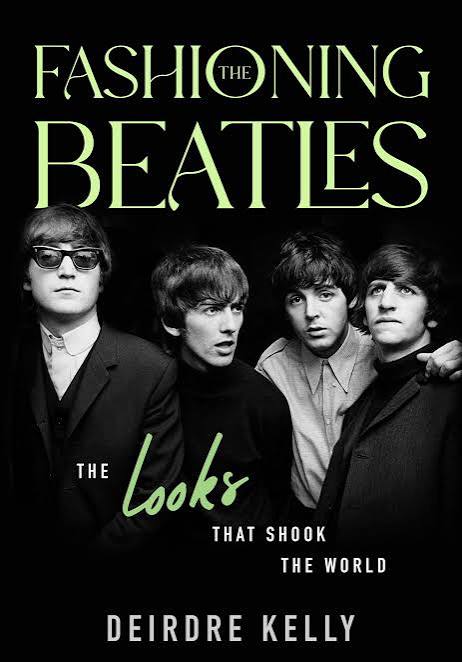
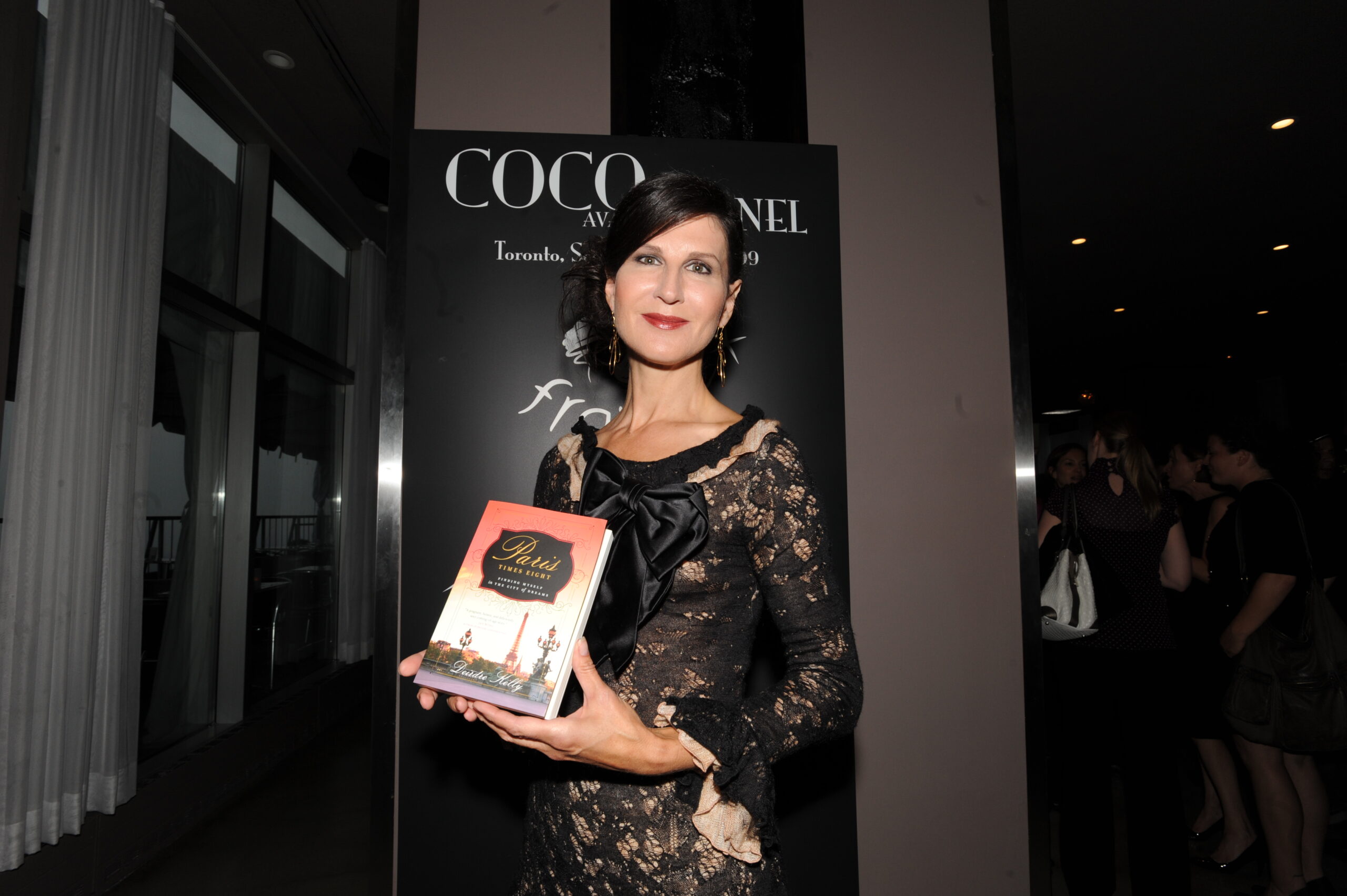
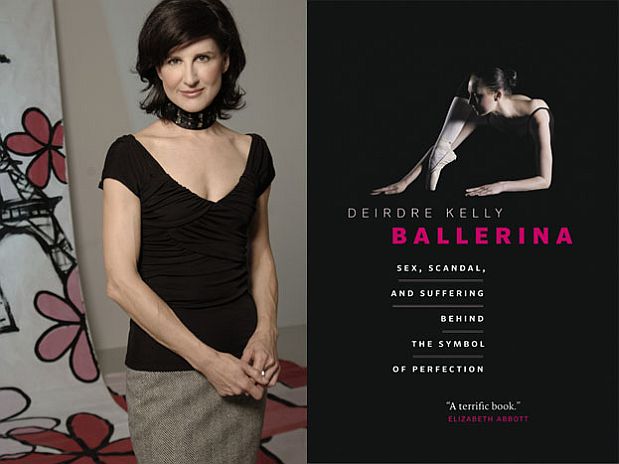
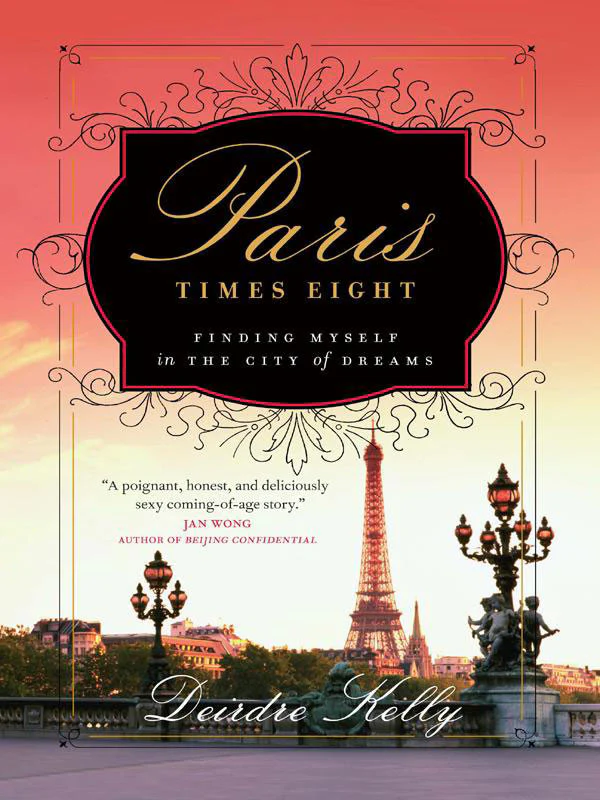
I am the author of three books: Paris Times Eight, which became a national best-selling memoir; Ballerina: Sex, Scandal and Suffering Behind the Symbol of Perfection, which The Guardian newspaper put first on a top-ten list of the world’s best ballet books; and Fashioning The Beatles: The Looks That Shook the World, the first book to explore how The Beatles’ fashion choices reshaped fashion and continue to influence what we wear today.
Paris Times Eight
“Paris Times Eight is a fast-paced, breezy read, its substance subtly woven into a tale of a city whose glamour and beauty never fades.” — Ottawa Citizen
For Deirdre Kelly, Paris is not only a dream city but also the place where she attains a deeper understanding of herself. Having always defined herself in opposition to her mother, Kelly finds in the city itself her “other mother,” the mother of her imagination.
At 19, Kelly first arrives in Paris as a starry-eyed ingenue. In a subsequent visit, she appears as a budding writer, eager for intellectual and sexual adventure, who interviews the legendary Nureyev and crashes an exclusive fashion show. In an emotionally charged return, Kelly takes her mother to Paris to meet her “other mother,” with not altogether happy results. She also takes her future husband, who has his own connection to the city. On her last trip, she is a mother herself.
During all these visits, Paris is the constant, but Kelly’s shifting emotional world creates varying perspectives on both the city and her evolving self. Paris emerges as a principal character, an influence that inspires and guides Kelly on her path to growth and maturity.
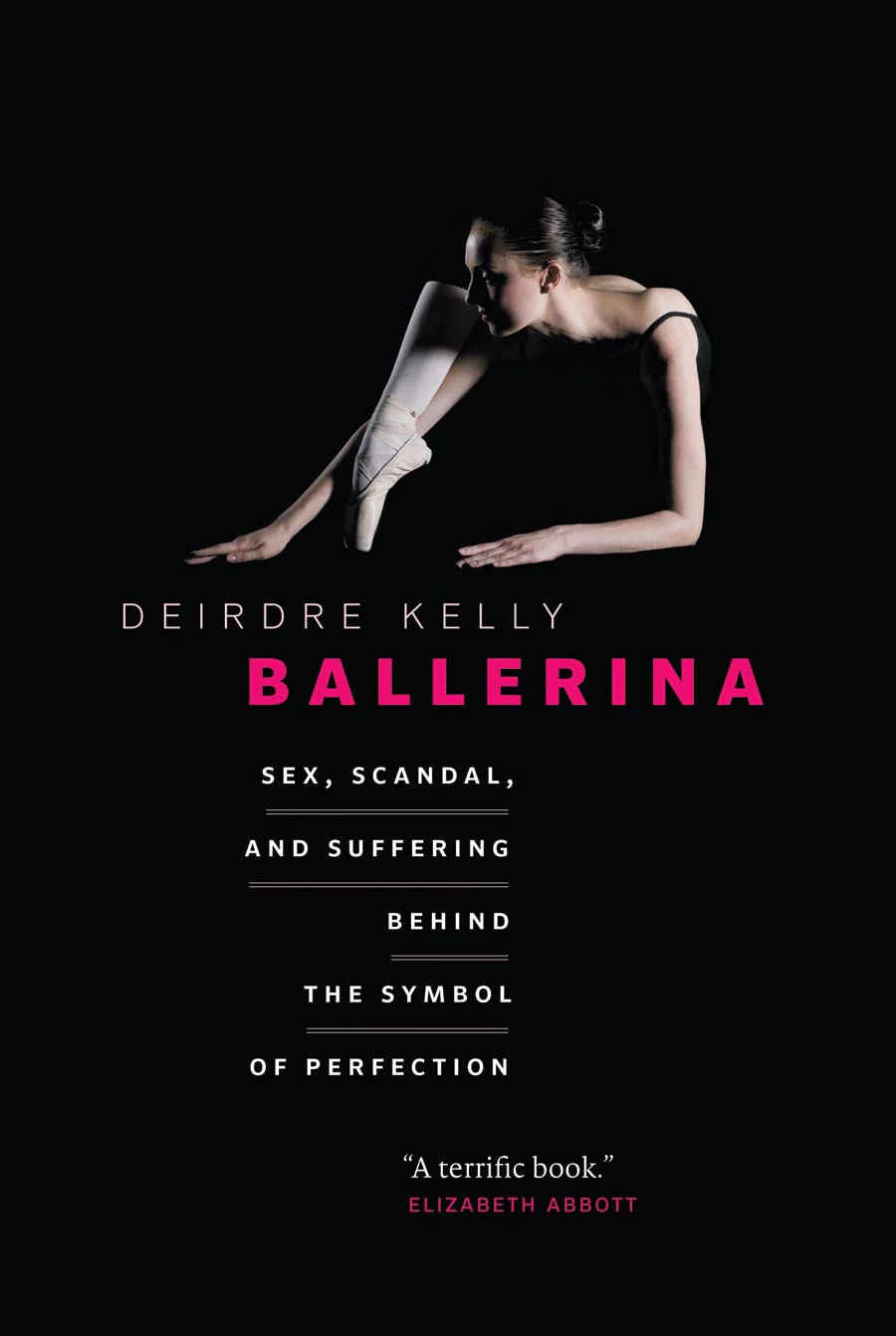
Ballerina: Sex, Scandal and Suffering Behind the Symbol of Perfection
A Globe and Mail Top 100 Book
The Guardian’s Best Ballet Book
“…spellbinding yet harrowing…” – Publishers Weekly
“A thoughtful history of the ballerina as social construct—the idealized woman.” – Macleans
Throughout her history, the ballerina has been perceived as the embodiment of beauty and perfection. She is the feminine ideal—unblemished and ethereal, inspiration incarnate. But the reality is another story. Beginning with the earliest ballerinas, who often led double lives as concubines, Deirdre Kelly goes on to review the troubled lives of 19th-century ballerinas, who lived in poverty and worked under torturous and even life-threatening conditions.
In the 20th century, George Balanchine created a contradictory ballet culture that simultaneously idealized and oppressed ballerinas, and many of his dancers suffered from anorexia and bulimia or underwent cosmetic surgery to achieve the ideal ethereal form. At the beginning of the 21st century, ballerinas are still underpaid, vulnerable to arbitrary discrimination and dismissal, and expected to bear pain stoically—but much of this is beginning to change.
As Kelly examines the lives of some of the world’s best ballerinas—Anna Pavlova, Marie Camargo, Gelsey Kirkland, Evelyn Hart, and Misty Copeland, among others—she argues for a rethinking of the world’s most graceful dance form—a rethinking that would position the ballerina at its heart, where she belongs.
Fashioning The Beatles: The Looks That Shook the World
“For the first time, the sensational clothes and costumes flaunted by the Fab Four are seen through the lens of a cultural critic who is a noted expert on the art of performance.” – Bronwyn Cosgrove, British Vogue
“Deirdre Kelly traces the Fab Four’s evolving fashion and strategic styling as part of their unparalled success.” – Salon.com
John, Paul, George, and Ringo were more than great musicians: they were the quintessential fashion icons of one of the most exciting and memorable fashion eras of all time. From their start in black leather through Sgt. Pepper to Nehru collars and psychedelia, The Beatles used clothing to express their individual and group identities and, especially, to grow their following.
They did it without the benefit of stylists or consultants, making their own rules and changing their looks as many as five times a year to keep a few steps ahead of the crowd in the tumultuous, fashion-obsessed ‘60s. More than 50 years after their break-up, their style continues to animate the collections of some of the world’s leading designers, including Thom Browne, John Varvatos, Anna Sui, Tom Ford, Gucci’s Alessandro Michele and, yes, Stella McCartney.
Fashioning The Beatles, the first in-depth look at their sartorial legacy, demonstrates that their inimitable style was not an incidental by-product of their fame but an integral part of their act and a key to their globe-spanning success.